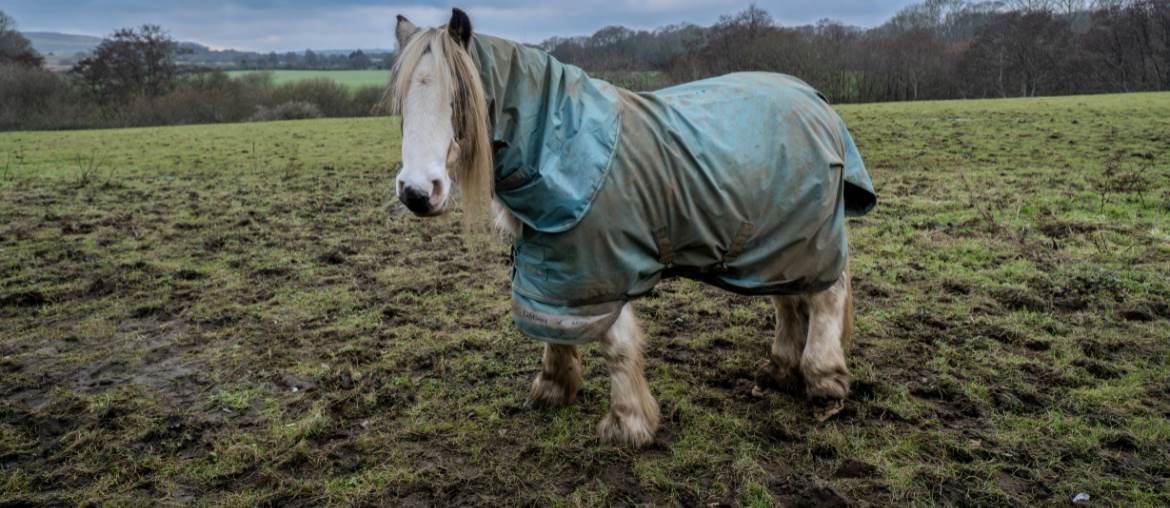
There’s no denying that this winter has been a wet one and that has wreaked havoc on a lot of horses and their legs. The persistent damp, wet, cold weather (and the mud that this has brought with it) has been very hard to get away from. If you’re struggling, we’re here to help with some ways to help protect your horse’s legs, even when everything seems against you.
Management
You can’t magic the mud away but there are things you can do to reduce the amount of time your horse stands in it. This could be ensuring there are dry places for them to be during turnout (you might have areas that are concrete, sheltered, sand or use special mud tiles), reducing the mud in heavy traffic areas like gateways and around troughs by providing multiple access and drinking options or maybe reducing turnout time on horrible days when the horses seem to spend far too much time arguing by the gate.
Supplements
No supplement that we’ve ever found can make the mud go away (and if you know such a product, please tell us!), but there are products on the market designed to help support skin and general health over the winter months. These could work in conjunction with other measures, particularly if your horse needs extra support in this area.
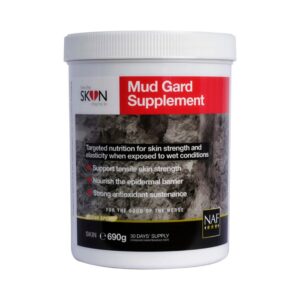
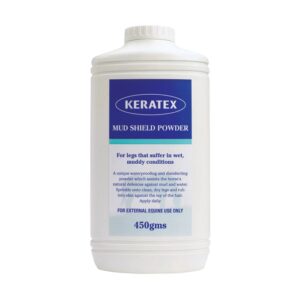
Barrier creams, powders and other external products
One of the most obvious ways to help lessen the impact of the mud and wet on the horse’s skin is to apply a barrier product that prevents the mud and wet reaching the skin. Many of these contain antibacterial and antifungal ingredients to further support the skin when it’s compromised. In many cases, it’s suggested that these are applied before the horse shows symptoms of conditions such as mud fever, but other people start application when a problem occurs. Read the directions on the product you’re considering using to see what’s recommended.
Washes
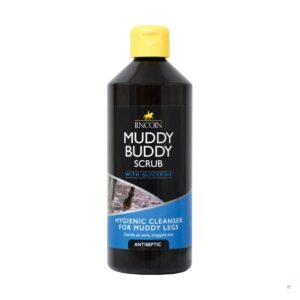
Washing legs in winter is a controversial topic with some people washing their horses’ legs religiously and some never washing and simply brushing off when the mud has dried. There are lots of variables here, but if you do decide to wash legs, consider looking into antibacterial washes developed specifically for mud management, look into using warm water, and dry the legs thoroughly. If your horse does have mud fever, then follow the vet’s advice on washing and management as you’re obviously treating an active problem.
Turnout boots and socks
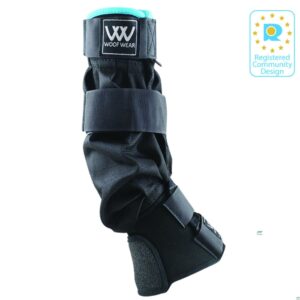
Like barrier creams, turnout boots and turnout socks, specifically designed for muddy conditions, create a barrier between the mud and the horse’s leg. It’s important that these are close fitting and comfortable, are washed regularly and checked and adjusted to ensure the best possible fit.
Monitor and check
All of the above measures should help to reduce the toll that prolonged periods of mud and wet weather can have on the horse’s legs but it’s also essential to thoroughly check the legs every day. This way, small issues can be addressed quickly to prevent them escalating and leading to a much greater problem.