
Warmer weather can be tough on horse hooves. NAF Equine caught up with Master Farrier Andrew James AWCF to get his take on how hot, dry conditions affect hoof health – and what horse owners can do to help deal with these challenges.
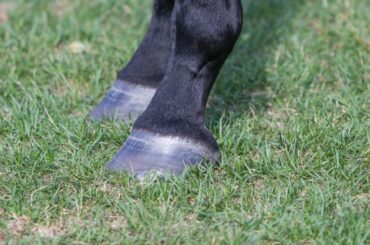
Warmer weather can be tough on horse hooves. NAF Equine caught up with Master Farrier Andrew James AWCF to get his take on how hot, dry conditions affect hoof health – and what horse owners can do to help deal with these challenges.
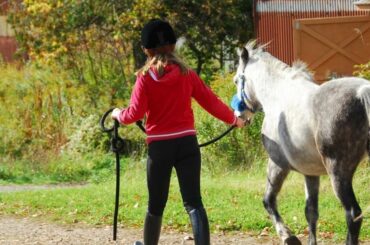
Long days in the saddle, warm weather and the excitement of camp or show season can take a toll on even the happiest horse. From staying hydrated to keeping cool and comfortable, summer brings its own set of challenges – and knowing how to support your horse through it all can make a real difference. So read our guide to some summer essentials for your equine friend.
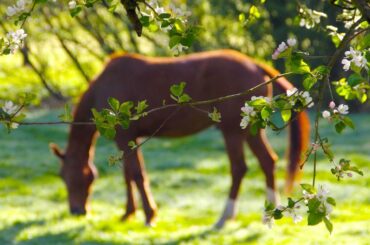
Warm weather brings green pastures – but it can also trigger respiratory health conditions like Summer Pasture-Associated Recurrent Airway Obstruction (SPARAO). Also known as “heaves” or equine asthma, this chronic issue flares up when horses come into contact with allergens like pollen, mould spores, and dust. The result? These may include, among other things, coughing, nasal discharge and laboured breathing.
If your horse seems uncomfortable out in the field, don’t miss our latest blog from NAF. In it NAF explains what SPARAO is and how you may spot some of the signs (though veterinary assessment is vital for an accurate diagnosis). Read more to learn what steps you can take to help reduce your horse’s exposure to allergens.
Flies are more than just annoying—they can cause itching, stress and unwanted behaviour in your horse. While horse flies often get the most attention, midges, stable flies, and other biting insects can also be troublesome. Fly sprays can be really useful for managing those flies and our latest blog covers the best ways to keep your horse comfortable and fly-free.
Want to know what really works? Read our short guide on repelling flies and protecting your horse this summer!
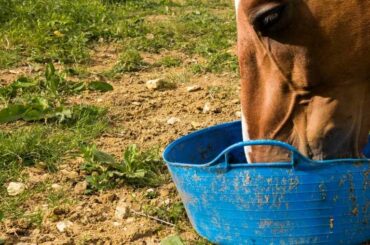
Have you heard about Equus Health supplements for horses? RB Equestrian has been stocking them for years. Discover our pick of the top five Equus Health supplements today.

With the clocks set firmly to British Summer Time us equestrians are thankful for the longer days and better weather.…
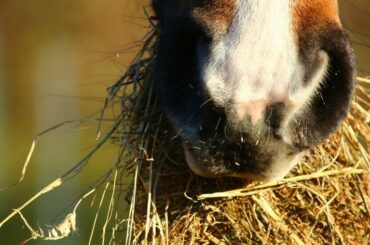
A horse’s gastric health is more important than many owners think. Stomach problems, like ulcers and colic, can cause pain, bad moods, and poor performance. Read NAF’s latest blog which explains why a healthy stomach matters and shares easy tips to keep your horse happy and comfortable. Learn how feeding, turnout and routine care can help prevent problems. Check out the full blog now!
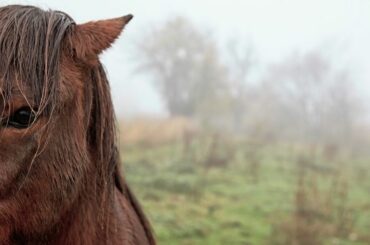
With the festivities behind us we, and our horses, can get back to the day to day of enjoying our riding, and looking forward to longer days with better weather ahead. However, that is not always easy when we are still very much in the grips of winter. Icy, or very wet and boggy, conditions can mean longer time spent stabled for our horses, limiting their natural exercise. The cold, damp weather seemingly heads straight to their joints at this time of year. Read on for some help with looking after the joints in our senior horses.
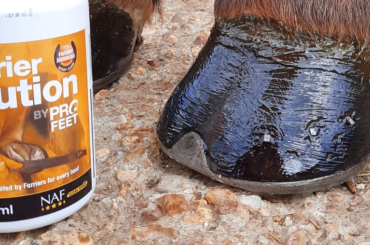
After a summer and autumn that felt more like wet, wet, wet than long, hot, and sunny, horse owners are bracing for winter’s biggest challenge: mud… and lots of it. While we’re all familiar with how mud can wreak havoc on soft tissues like heels and legs, how often do we stop to think about its impact on hooves? Lots of exposure to wet, muddy conditions can lead to serious issues. Sound alarming? Don’t worry! In this blog from NAF, it will help you appreciate how to keep ahead of the mud and protect your horse’s hooves this winter!
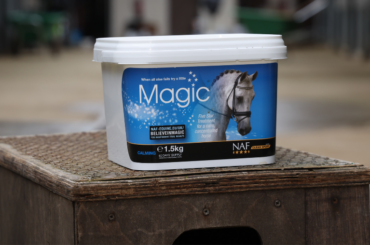
A guest blog from our friends at NAF explaining why you might want to try NAF Five Star Magic this Autumn. Read on now.