
Discover how NAF GastriAid and GastriVet support horse digestive health, with practical guidance from NAF on choosing the right support.

Discover how NAF GastriAid and GastriVet support horse digestive health, with practical guidance from NAF on choosing the right support.
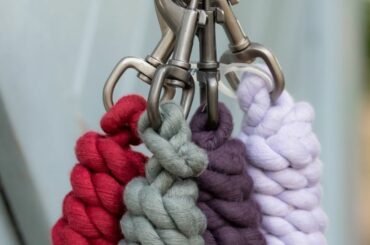
A lead rope is a rope with a clip that attaches to a horse’s headcollar for leading and everyday handling. This beginner’s guide explains common clip types, useful lengths, matching options, what to look for when buying and how to check and care for them.
Even experienced horse owners can fall into habits that affect their horse’s health, comfort and safety. This guide highlights 25 common horse care mistakes and explains how to avoid them with simple practical changes. Visit RB Equestrian for great advice and the products you need.
Fly season can be frustrating for both horses and owners. This guide explains the different types of flies that affect horses, how fly repellents work and the management strategies that can help reduce irritation. Learn how to build an effective fly control plan and keep your horse more comfortable throughout summer.
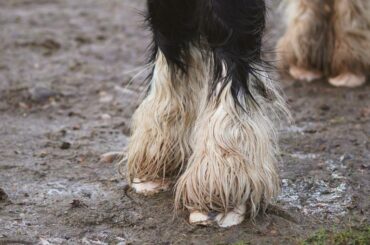
When turnout is limited, small changes can make a big difference to your horse’s wellbeing. From getting feeding right and making forage last longer, to adding stable activities, grooming and in-hand exercise, there are plenty of ways to keep your horse happier during extra time indoors. Whether you’re dealing with wet weather, box rest or rehab, this guide shares simple, practical ideas to help support your horse’s mental and physical health.
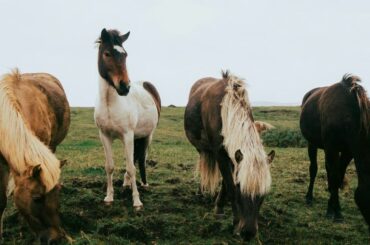
Laminitis is a serious condition that worries many horse owners, and it’s easy to see why — it can be very dangerous for horses. Spring is an important time to be extra careful because fresh grass starts growing, which can make laminitis more likely. Read our blog which discusses feed and the management of horses and ponies prone to or at risk of laminitis.
This blog explains why spring is a key time to check your horse’s gastric health after winter. It covers common signs of gastric stress, feeding tips and when to call in professionals. If you are planning your horse’s fitness work, read this first and review their health.
January horse care can feel overwhelming. Cold weather, mud and shorter days bring new challenges, but not everything you worry about is necessary. This practical guide explains what your horse truly needs in January, what they don’t, and how to keep them healthy, comfortable and happy through the heart of winter.
As the weather turns colder, it’s time to adapt your horse care routine for autumn and winter. NAF Equine’s simple, practical tips will help you prepare for the season ahead.
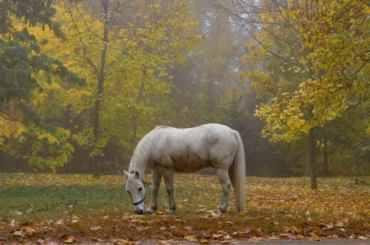
Autumn’s arrived and Winter is nearly here! It’s getting cold and dark, and that means we need to take extra care of our horses. Changes in what they eat and what they do each day can make their guts unhappy. But don’t worry! We have some great tips from NAF to help keep your horse’s belly happy and healthy all winter long.