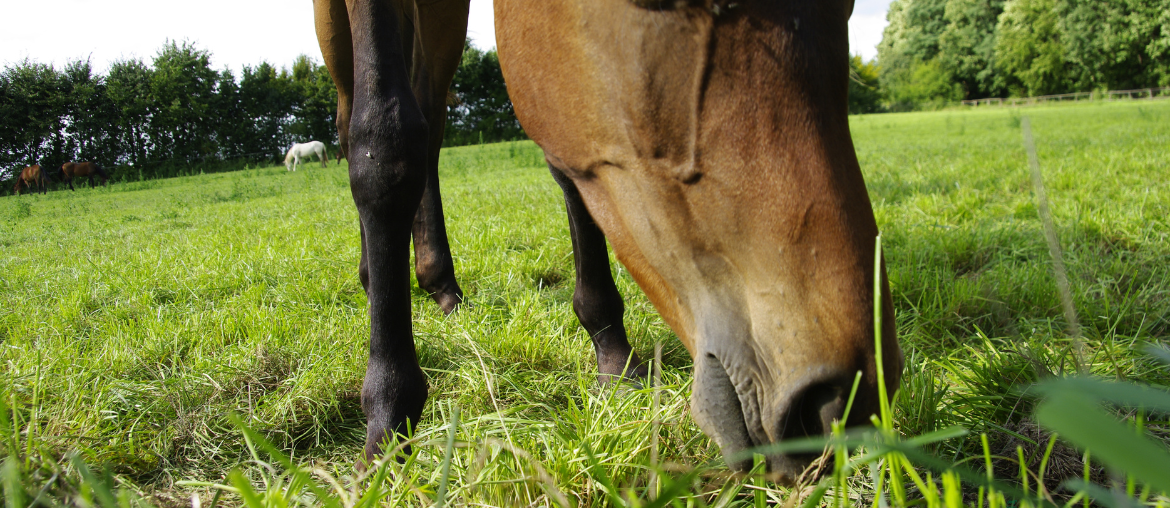
Weight management is one of the biggest challenges in equine care today. Research consistently shows that over 50% of the UK’s horse population is overweight, with even up to a third of horses in regular work carrying excess weight.
Understanding the causes
Several factors contribute to weight gain in horses:
- Metabolism: many native breeds evolved to survive on sparse forage. As a result, they’re incredibly efficient at storing fat. Even horses that don’t appear “native” may carry these genetic traits, meaning they thrive on less food than we often realise.
- Workload vs. Feeding: many owners unintentionally overfeed based on ideal rather than actual work. Be sure to check your feed bag for realistic workload categories and helps assess true calorie requirements.
- Outdated Perceptions: in some disciplines, “show condition” is still confused with “good health.” Prioritising leaner, fitter horses over bulkier appearances can reduce long term health risks.

Risks of excess weight
Obesity isn’t just about appearance. The health risks are significant and include the following, which may be caused by, or exacerbated by:
• Laminitis and Equine Metabolic Syndrome (EMS)
• Joint strain and increased lameness
• Poor stamina and reduced performance
• Hormonal behaviour in mares
• Reduced fertility
• Summer Pasture-Associated RAO (SPARAO)
Fat also acts as an active tissue, releasing inflammatory compounds that can worsen many health issues over time.
Body condition scoring & monitoring
Regularly Body Condition Score (BCS) your horses, using either the 1–9 or 0–5 scale. NAF Equine recommend the 0–5 system for its simplicity and wider use across Europe. A weigh tape won’t give a perfectly accurate figure but is still valuable for tracking trends—especially when used consistently by the same person.
Look for fat pads (e.g. crest, shoulders, ribs, tailhead), and use hands, not just eyes—fat feels soft and mobile, unlike firm muscle. A cresty neck, even without overall weight gain, may suggest insulin dysregulation and should be taken seriously.
Top Tips for Weight Management
- Use a weigh tape and BCS chart weekly
- Feed to actual workload, not aspirations
- Soak hay to reduce sugar, and consider mixing in quality straw as a forage replacer
- Choose low-NSC forage and feed high-fibre, low-calorie diets
- Avoid over-rugging to support natural metabolic regulation
- Balance the high forage for micronutrients (see NAF Balancers or Vitamins & Minerals).
Nutritional Support
Targeted supplements can support healthy metabolism. Ingredients like magnesium, spirulina and marine-derived compounds have been evidenced in equines for supporting insulin sensitivity and fat metabolism. Combined with good management and honest assessment, they offer practical support for horses prone to weight gain.
If you need more help
For more advice, tools, and nutritional solutions, you can contact the NAF Nutritional Helpline (0800 373 106). Alternatively, drop by our Milton Keynes store for some help or email us at [email protected].
Credits
Thanks to NAF Equine for this blog.