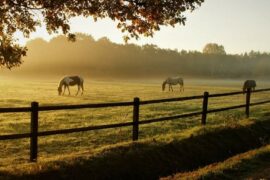
Autumn is a time for change for us and our horses. Often a change in routine to more time stabled. Usually a change to diet, with a greater reliance on preserved forages such as hay or haylage once the grass stops growing.
For many it is an exciting time of fit, stabled horses facing a fresh clip, crisp autumn mornings of exercise, or busy indoor shows. However, it can all become a little too exciting for some! So how do we maintain that focus and enthusiasm without it spilling over into anxiety, nervousness and unwanted behaviours? Firstly, it is important that we understand the causes, so we can minimize impact where possible.
Regime change
Longer in the stable is often a practical necessity over autumn and winter in order to protect our paddocks. However, that impacts our horses, both in terms of reduced movement and less social interactions. Research shows that stabled horses take significantly fewer steps in the box, but will make up for it when turned out with more trotting, cantering and bucking if their turnout time is limited, compared to horses with extended turnout. Taking a few simple steps to minimize that impact can greatly help in calming situation.
Autumn / winter turnout
- Use a school turnout if paddocks are limited
- Maintain consistent social groups for turnout
- Use appropriate stable design and consistent stable buddies to promote social interaction when in
- Consider stable mirrors to foster indoor social ‘contact’
Feed management
When it comes to feed management for maintaining a calm, focused approach we can split that into two different areas – Overall diet, and Targeted support.
Overall Diet
Remembering NAF’s golden rules of feeding, the guidelines of making changes gradually and keeping the diet fibre-focused both apply here. If horses are moving from summer grazing to winter forage ensure that change is done gradually. A sudden change causes dysbiosis (upset) in the crucial hindgut microbiome – that vast population of beneficial bugs that digest the horse’s diet. Feeding a diet too high in concentrated cereals and low in forage will also upset those hindgut bugs, causing poor, reactive, behaviour together with increasing the risk of issues such as gastric ulcers and weight gain.
Targeted Support
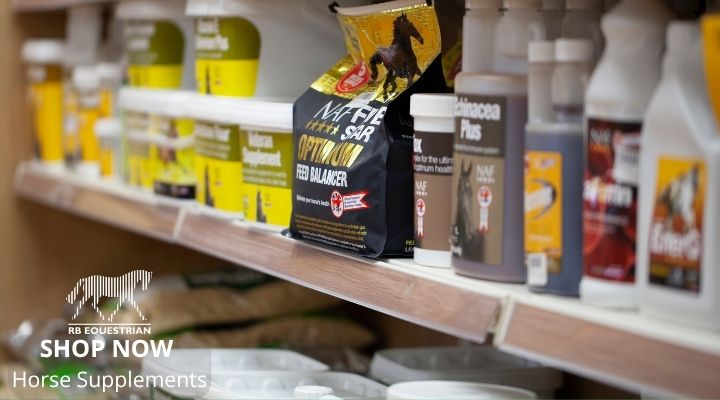
Supplementary support can be really useful at this time of year. For nearly all stabled, working horses we recommend additional gut support, as if we maintain a happy gut we can also keep the brain settled.
Did you know? Your horse’s gut and brain are continually in a two-way conversation with each other along what is known as the Gut-Brain Axis?
Running along the length of the Vagus nerve, the Gut-Brain Axis is a system whereby any disruption in the hindgut microbiome can upset behavioural responses from the brain, and vice versa. How often have you seen a horse passing droppings as soon as you put on the travel boots? That’s the Gut-Brain Axis at work!
Additionally to gut support, some horses will benefit from specific supplementary feed for focus and learning. After all the horse is naturally a ‘flight’ animal, and the challenges of the modern equine competition life can be significant until they’ve learnt the ropes.
Nutrients for a calm outlook
- Magnesium – One of the hardest working nutrients, magnesium supports their reactions by relaxing muscles and acting at the nerve synases.
- Herbal elements – Herbs such as hops and withania can be useful for focus and concentration, without sedation.
Note! If competing ensure no valerian is used, which is an FEI controlled medication
- Gut support – Prebiotics, live probiotic yeast and postbiotic metabolites work together to maintain a stable hindgut microbial population.
Proven trainability
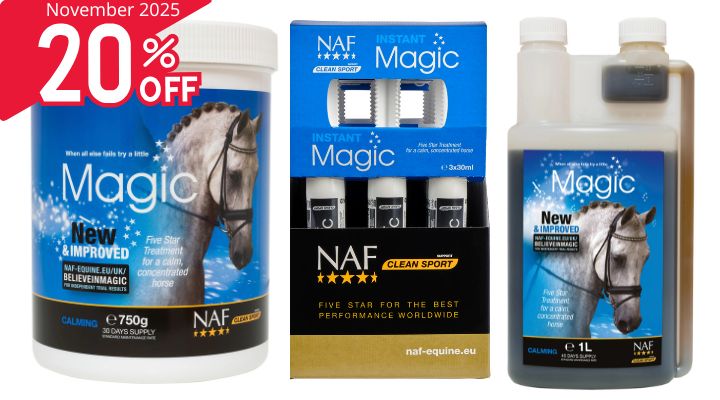
If choosing a calmer you want to know it is going to work, so look for one with proven results. NAF Magic has been independently trialled with a peer reviewed published paper*. The trial, run by academic experts in the equine brain, at The Royal Agricultural University found Magic supported focus and learning, with no sedative effect.
As head researcher Dr Andy Hemmings puts it:
‘Still your horse, just more trainable’
In conclusion, by establishing good management practices, together with the right dietary approaches, we can ensure our horses stay calm, focused and competitive right through this season of change.
*Reference: Roberts H, Stevenson A & Hemmings A (2018). Proceedings of the 14th International Conference, ISES. Rome 2018.
Thanks to the author of this blog: Kate Hore. RNutr(Animal). RAnim. Technol (Cert). Head Nutrionist at NAF
Shop with RB Equestrian – the award-winning, family-run equestrian store you can trust. Enjoy free UK delivery over £40, free Click & Collect, and a fantastic Customer Rewards scheme. Visit us in-store or online at rbequestrian.co.uk for everything you and your horse need.