What your horse actually needs in January (and what they don’t!)
January is a month that few horse owners look forward to. Less daylight, lower temperatures, mud, ice, more time indoors for many horses and much more. But there are ways to make January – and winter in general – better for all concerned. Keeping horses healthy in the winter is a big part of it – and we’re not just talking about their body, but their mind too. Healthier horses are happier horses, and healthy, happy horses tend to make for happy owners! Horse care in the UK in January isn’t a barrel of laughs, but by looking at what your horse really needs this winter, and what he doesn’t, we can help make January a lot better!
- They NEED: Forage as fuel
In the summer months, horses get a lot of their forage from the grass, but when it stops growing or turns into mud, let alone the reduction in turnout that many horses experience over winter, owners need to make sure that their horse has a good supply of quality forage.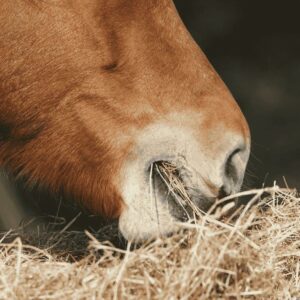
Forage can mean hay and haylage, but for horses with dental issues, this can also include hay replacers.
Forage is an unsung hero during the winter. Not only can it keep them occupied, takes a lot longer to eat than cubes and mixes, keeps their gut functioning and healthy, but the fermentation process actually keeps the horse warm too!
Horses need a good supply of forage in January to help maintain weight and keep their digestive system working, and many horse owners do this by offering their horses and ponies ad lib hay or haylage.
- They MIGHT NOT NEED: ‘An extra rug’
Every horse is an individual, that goes without saying, but over rugging is a real problem that can cause discomfort. It can even cause horses to get cold if they sweat before the temperature plummets!
If your horse is old, clipped, or struggles to maintain weight, he’s likely to need thicker rugs than his fluffy native friend, but don’t make the mistake that so many horse owners do. If you’re cold, it doesn’t necessarily mean your horse needs an extra rug!
The way to prevent over rugging is to be honest about your horse’s condition, age, needs, and whether or not he’s been clipped. There are plenty of guides available that link this to outside temperature and give suggestions. Then, check your horse and see how he feels under his rug. He shouldn’t feel hot or damp (as this might indicate he’s been sweating) – just warm is usually the sweet spot.
Don’t forget that most horses (unless they’ve been clipped!) have a good coat too, so they have an integral rug to start with!
- They NEED: Water
Dehydration is a big risk factor for colic in January – or any time that water freezes and horses can’t access a good supply. It’s also said that although horses do drink cold water, they don’t drink as much of it as they do warmer water. And, obviously, at this time of year, cold water usually means it’s on its way to freezing!
To help address this situation, make sure that water buckets and troughs are cleared of ice frequently (a collider is a great way of removing ice chunks without freezing your hands!), add boiling kettles of water into buckets to help raise the temperature (obviously, making sure the water is not too hot for your horse), soak hay, add water to feeds, and some people suggest adding an apple to water buckets as the movement of the apple can slow down the freezing process!
- They DON’T NEED: Every door to be closed
It’s tempting to shut every door and window to keep the wind out of your stable block, particularly if your horse lives in an indoor barn, but ventilation is really important, even when it’s cold!
A lack of ventilation can contribute towards respiratory issues due to the ammonia from urine and dust from hay and bedding. You might think you want to keep your horse warm and snug but leave that to his rugs and natural coat. Allow the air to come through the space and provide the horse with a healthier environment.
- They NEED: Hoof care
A horse’s hooves take a battering over the winter. You might not be riding as much, but with most horses spending more time inside on wet bedding, or standing in the mud in the field, their hoof health can become compromised very quickly. Thrush is one condition to look out for and should be checked for when you pick your horse’s hooves out each day. It usually affects the frog and has a very distinctive smell.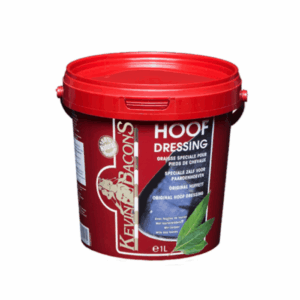 There are products that can help support general hoof health, such as disinfectants and scrubs but management also plays a huge part in this.
- They NEED turnout
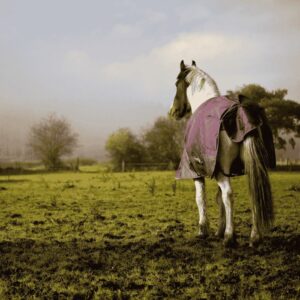
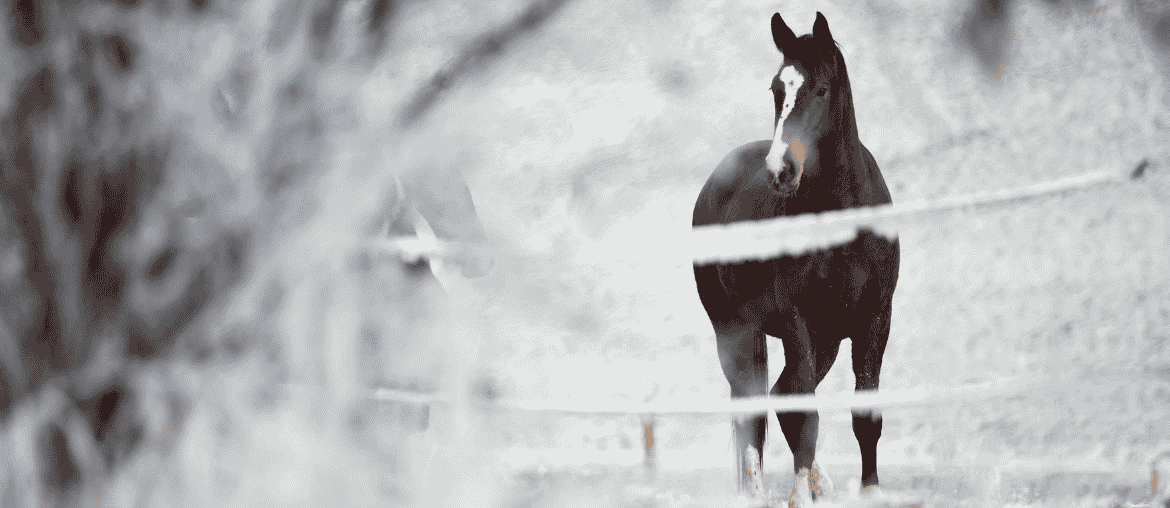
Although turnout might be limited in winter, it’s still important for horses to move around, stretch their legs, and be horses for a bit. If the fields are too wet or snowy, then using an arena can be a good alternative. You might think you’re being kind by keeping your horse in his stable as much as possible, but most horses really enjoy being outside EVEN when it’s cold, wet, and January! This is also good for their health and wellbeing.
- They NEED close monitoring
It’s important to assess your horse all year round, but in the winter it’s so important to regularly check condition (to allow you to address any weight loss issues quickly), mobility (older horses can find the cold weather particularly challenging and might require additional joint support), skin and coat (whether this is to check for rug rubs, mud fever, or other skin conditions). By keeping a close eye on your horse, you’ll spot problems sooner which will mean you can get ahead of them before they develop.
- They MAY NEED additional feed and supplements
But not necessarily! Yes, it’s cold in January, but that doesn’t mean your horse needs extra hard feed – if you’re not riding him as much or he’s spending a lot of time inside, he might need less cubes and mix, and more forage. As for supplements, it’s important to look at the horse’s overall diet as well as his condition and health before you add or take away. Just because it’s winter, or January, don’t think you horse must have x, y and z.
Caring for your horse in January is all about making informed, thoughtful choices rather than buying everything in sight. That’s where RB Equestrian really stands out. As a family-run, multi award-winning equestrian retailer, we’re passionate about helping owners choose what their horse genuinely needs, from quality forage solutions and hoof care to rugs that fit properly and safely. Our knowledgeable team offers honest advice, free riding hat and body protector fittings, and a huge range you can trust, both online and in our Milton Keynes superstore. When winter feels tough, it’s reassuring to shop with people who care about your horse as much as you do.