We have all been there. You’ve owned horses for years, you have your routine down to a fine art, and you feel confident in how you manage your equine partner. But then life gets in the way. Work or family stresses consume far too much of your time and capacity, and things get forgotten. Or new research has changed the ‘right’ way to do things, so you’re retraining yourself and slipping back into old ways when the pressure is on.
Whether it is a lapse in daily management or a misunderstood piece of advice, no one wants to make mistakes when it comes to their horses. Here are 25 mistakes that are incredibly easy to make, and easy to avoid, even if you’re a very experienced owner.
The Daily Routine
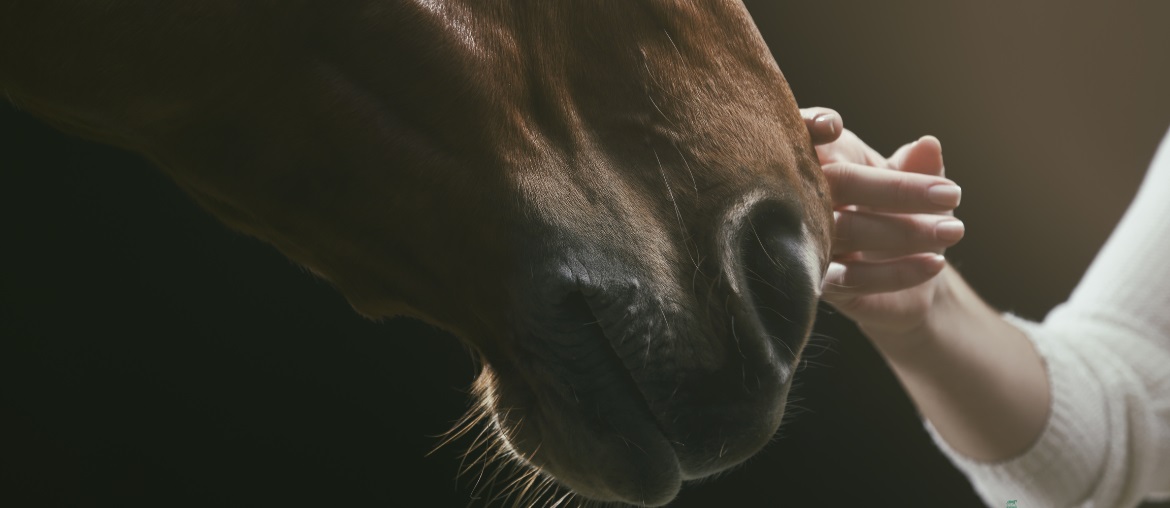
Skipping your daily checks: If you’re in a rush, your phone won’t stop, or you have a million things on your mind, it’s easy to rush the grooming process when you are tired. Failing to run your hands over your horse every day means you might miss early signs of heat, swelling, or minor cuts. It takes moments, but can save a lot of time, stress, and pain in the future.
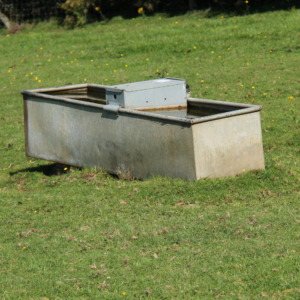
Neglecting water trough hygiene: Clean water isn’t just a nice to have, it’s really important. Algae and debris can build up quickly, and this can potentially discourage your horse from drinking. There are additives available to add to drinking water to keep it clean or you can factor cleaning into your routine so it doesn’t get missed.Mistake 2: Neglecting water trough hygiene
Inconsistent feeding times: Horses thrive on routine. Varying meal times significantly can disrupt their digestive system and cause unnecessary stress. If you’re going to struggle to make the same time each day, see if you can buddy up with a friend and split the workload.
Ignoring saddle fit changes: A saddle that fitted perfectly six months ago might not suit your horse now if they have gained or lost muscle or condition. Regularly weight-taping your horse can be a great tool for helping to identify if your saddle needs looking at outside of your scheduled saddle checks. As a very rough guide – a 5cm change probably means it’s time to call your saddle-fitter.
Over rugging: Leaving a rug on when the weather turns mild during the day can cause your horse to overheat and become dehydrated. Use weather apps to help you predict temperatures and make the best choices you can. Most horses are more comfortable if they’re a little bit chilly than too warm.
Stable and Field Management
Leaving the barn doors shut too long if you have indoor stables: Poor ventilation is a leading cause of respiratory issues. Ensure there is plenty of airflow when the horse is stabled, even if it’s cold!
Checking automatic drinkers: They’re convenient but still need checking each day. Make sure they’re refilling, free from leaks, and that they’re clean too.
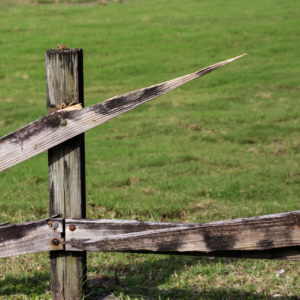
Forgetting to check fence lines: Broken fences, whether electric or solid, cause all manner of problems. A quick check can help you see what’s going on and even if you can’t fix it at the time, you can avoid that space until you have time to resolve the situation.Mistake 8: Forgetting to check fence lines
Leaving the tack room closed all the time: Keeping tack in a damp, unventilated space is a recipe for mould and leather damage. For security, we don’t want tack room doors to be wide open all the time, but there are times when you’re on the yard when it could be an option (or have you considered a dehumidifier to help improve a particularly damp room?)
Using the same grooming kit for every horse: If you share kits, you risk spreading all sorts of things around the yard. A grooming kit per horse, even if you just opt for basic items, is a much better way forward.
Riding and Training
Mounting from the ground: It puts uneven, significant pressure on your horse’s spine and the tree of your saddle. Always use a mounting block.
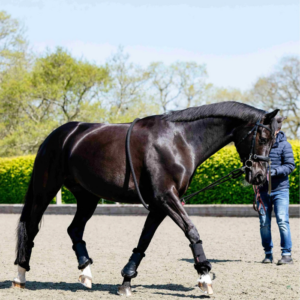
Not warming up: Jumping straight into intense work without a proper warm up can lead to soft tissue injuries. If time is tight, why not JUST warm up and focus on one specific objective?
Ignoring the signs of discomfort: If your horse is suddenly ‘naughty’ or resistant, they are often trying to tell you something hurts. Rule out physical issues bMistake 14: Over-schoolingefore assuming it is a behaviour problem.
Over-schooling: Doing the same circles every day is boring for the horse and hard on their joints. Mix up your training with hacking, groundwork and pole work.
Working too hard: Don’t discount a leisurely hack or even a steady walk on a long rein around the school if the weather is poor. Going for a walk is great for horses and riders, not just for the gentle exercise but for the mental health benefits too.
Equipment and Safety
Not checking hat expiry: Even if it hasn’t had an impact from a fall, the internal materials of a hat degrade over time. Replace your hat according to the manufacturer’s guidelines. You might even want to write the date of purchase inside your hat so it’s easy to keep a check.
Ignoring stirrup bar safety: Make sure your stirrup bars are in the open position to allow the leather to slip off in the event of a fall.
Using worn bits: Check your bit for rough edges, serious wear or cracks that could cause pain in the horse’s mouth and could even break if put under pressure.
Forgetting to check tack: Sweat and mud can seize up buckles, stitching can come undone, leather can wear, stretch and crack. Check your tack regularly and replace/repair any worn parts that could fail.
Assuming one-size-fits-all for some tack and accessories: Using the wrong size boots, tack, or accessories can restrict movement or cause rubs that lead to sores.
Wellbeing and Health
Bathing with harsh shampoos: You might have washing-up liquid in plentiful supply, but it’s not ideal for washing horses! Harsh cleaners can strip the coat of natural oils, making the skin dry and prone to irritation.
Guessing the worming programme: We used to be told to worm regardless of worm count, but now things have changed and it’s actually pretty easy to keep on top of if you have a schedule. This means you only give chemical wormer to your horse when he needs it, saving money and reducing resistance in the worm population.Mistake 22: Guessing the worming programme
Neglecting dental checks: A horse that drops food or is displaying unusual behaviour connected to his head could be having trouble with his teeth. Get routine checks booked in/set yourself reminders in your phone/diary. As we don’t look at the horse’s teeth each day, these issues can be hard to spot and only become evident when there’s a significant problem.
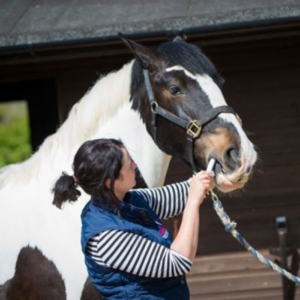
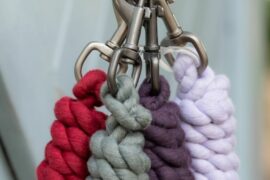
Leaving non fieldsafe headcollars on in the field: This is a major safety hazard. If a horse gets caught on a fence or tree, a sturdy headcollar that doesn’t release can cause awful injuries. If you need to leave a headcollar on for catching, always opt for a fieldsafe one.
Not keeping an up-to-date first aid kit: Check your supplies regularly. The hope is that you’ll never/rarely need to dive into the first aid kit but, if and when you do, finding everything is out of date and useless is a horrible discovery to make.
Here to Help
Nobody is perfect, owning horses is hard, and when you throw ‘life’ in too, it’s so easy to miss things. If you took a gasp or thought ‘oh, I need to do that!’ to any of the points above, just know you’re not on your own. We’re here to help.
Whether you’re looking for fieldsafe headcollars, new first aid items, shampoo, grooming kit, or anything else, just come and see us in store and we’ll do our best to help you get exactly what you need. You can also shop online and we’ll deliver your order to your door, or you can even click and collect!