Late summer has a habit of making us think we’ve got plenty of time. The sun is still shining, the evenings are light, the fields are relatively dry and winter feels a long way off.
Then, seemingly overnight, autumn arrives.
The rugs you haven’t checked suddenly need to be waterproof, your horse has grown half a winter coat and is sweating after ten minutes of work, the gateway has turned to mud and you realise your clipper blades are still blunt from last year.
A little preparation now can save an awful lot of hassle later. So, before autumn properly gets going, here are seven things worth thinking about.
1. Don’t Forget the Autumn Grass Flush
We tend to think of spring when we talk about rapidly growing grass, weight gain and laminitis, but autumn grass needs watching too. Rain following a dry spell can encourage new grass growth and, for horses and ponies that gain weight easily or are at increased risk of laminitis, it’s worth keeping a close eye on grazing and body condition.
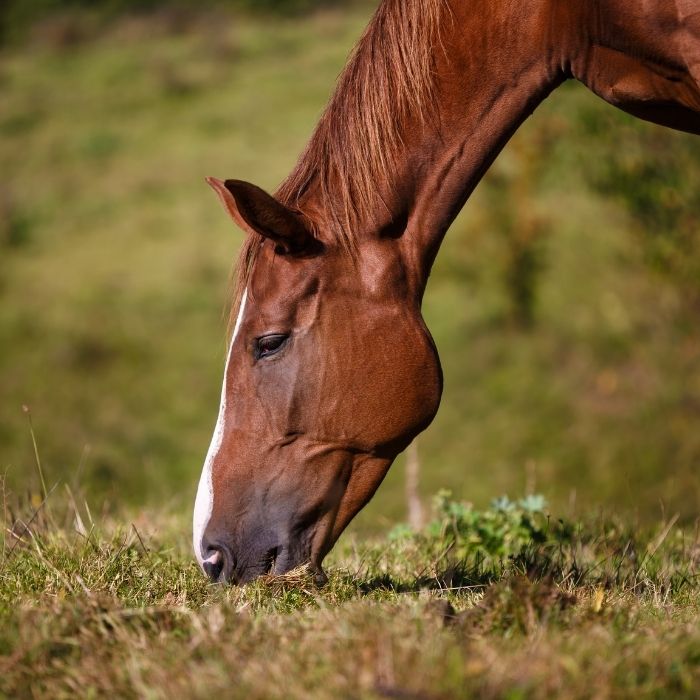
If your horse is at particular risk of laminitis or you are worried about their weight, speak to your vet or an appropriately qualified nutritionist for individual advice.
2. Warm Days Can Hide Chilly Nights
One of the tricky things about September and October is the difference between daytime and overnight temperatures. You can be standing at the yard in a T-shirt in the afternoon and wondering where you left your winter coat by the following morning.
That doesn’t mean every horse needs rugging as soon as the temperature drops. Whether your horse needs a rug will depend on things such as whether they are clipped, their age and condition, whether they have shelter and the combination of wind, rain and temperature.
Looking for a lightweight option? Browse our horse turnout rugs.
3. The Winter Coat Arrives Before Winter Does
Your horse doesn’t wait for you to declare that summer is officially over before starting to grow a winter coat. As the days get shorter, coats start changing and suddenly the horse who barely broke a sweat a few weeks ago is coming back from a hack decidedly damp.
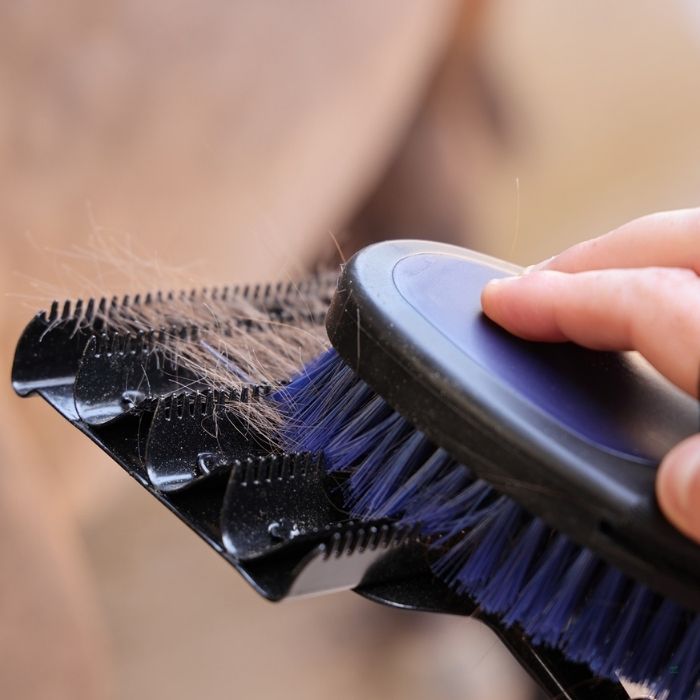
And while you’re there, check you actually know where the charger is…
Get prepared with our horse clippers and clipping essentials and cooler rugs.
4. Sort Your Winter Forage and Bedding
You don’t necessarily need a barn full of hay and bedding by September, but you do need a plan. Once horses start spending longer in the stable, you can be surprised by just how quickly you get through both.
It’s also a good time to look at storage. Hay, feed and bedding all need to be kept somewhere dry and secure once the wet weather arrives.
5. Have Another Look at Your Feed Routine
Autumn is a good time to reassess what your horse is eating rather than simply carrying the summer routine straight through into winter. Their workload may be changing, the amount and quality of grazing may change and some horses will need more forage as the season progresses.
Remember that forage should form the basis of your horse’s diet.
Browse our horse feed and horse supplements, or ask our experienced team for help.
6. Do the Rug Cupboard Audit
Be brave. Open the rug cupboard.
There is absolutely no point owning six turnout rugs if, when you actually need them, one has a broken surcingle, two aren’t waterproof and another hasn’t fitted your horse since 2024. Get them all out now and have a proper look.
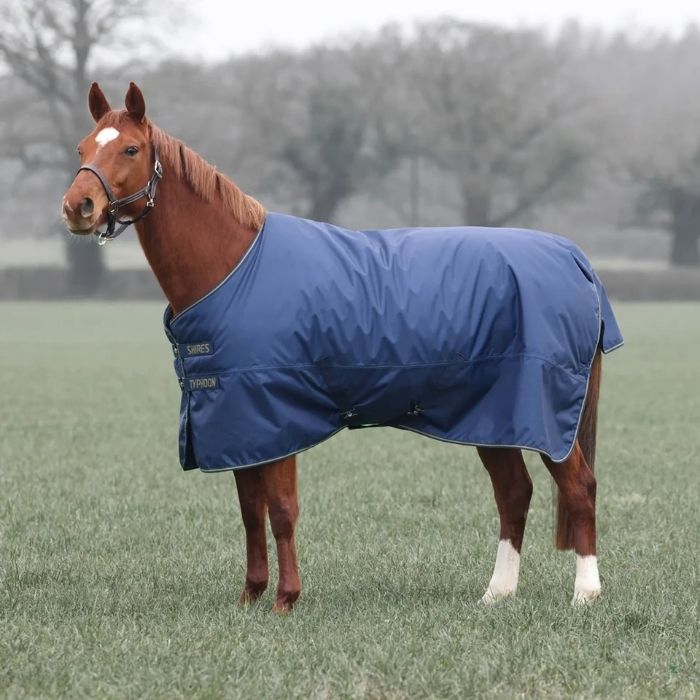
If a rug really has reached the end of its life, think about what your horse actually needs before replacing it. Their turnout routine, whether they’re clipped, how much shelter they have and how warm they tend to be are all more important than simply buying the heaviest rug.
And if you’re not sure, come and ask us. We’d much rather help you choose the right rug than sell you one you don’t need.
7. Do the Outdoor Jobs Before Everything Turns to Mud
There are certain yard jobs that are infinitely less enjoyable once you’re doing them in the dark, in wellies, with mud halfway up your legs. Now is the time to walk around the fields and yard and look for the jobs you’ve been meaning to do.
Get Autumn Ready with RB Equestrian
A couple of hours spent getting organised now can make a big difference when the weather changes.
Check the rugs. Find the clippers. Restock the things you know you’re going to need. And tackle those annoying little yard jobs while you can still see what you’re doing. Then, when autumn does arrive, you can concentrate on the good bits – crisp mornings, quieter hacks and considerably fewer flies.
Need to fill a few gaps in your autumn kit? Shop turnout rugs, clipping essentials, coolers, feed, supplements and yard essentials online at RB Equestrian, or come and see us in store.
And if you’re not sure what you need, ask us. We’re horse owners too and we’re always happy to help.