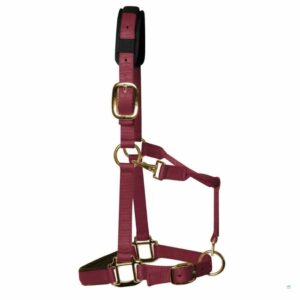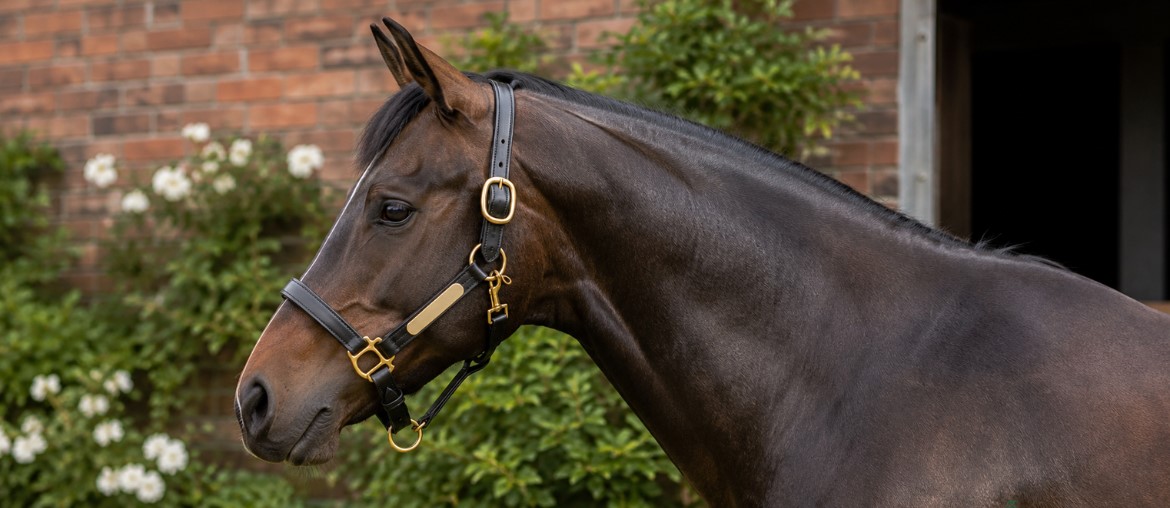
Whether you’re bringing your horse in from the field, travelling to a competition or simply tying up to groom, a well-fitting headcollar is something every horse owner relies on (a headcollar, sometimes called a halter, fits around the nose, cheeks and poll and is used with a lead rope for everyday handling). But with so many different styles, materials and sizes available, it’s not always obvious which one is right for your horse or how it should fit.
In this guide, we’ll explain the different types of horse headcollars, how they should fit and when it’s time to replace them.
Why Does Headcollar Fit Matter?
A headcollar that’s too loose can slip around, rub or even come off altogether. One that’s too tight can cause discomfort, restrict movement and create pressure points.
A properly fitted headcollar should:
- Be comfortable to wear
- Stay securely in place
- Allow your horse to chew and yawn normally
- Reduce the chance of rubbing
- Be easy to put on and remove
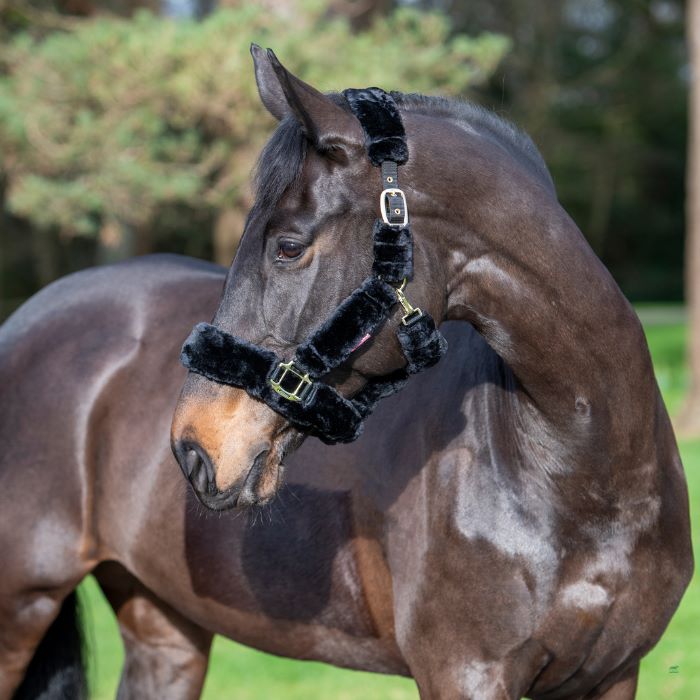
Whether you’re choosing a leather headcollar, a padded headcollar or a field safe headcollar, getting the fit right is just as important as choosing the right style.
How Should a Horse Headcollar Fit?
The Noseband
The noseband should sit about two fingers below the prominent cheekbone. It should stay level without pressing on the cheekbone or dropping towards the nostrils. Check the maker’s fitting guide because designs can vary. If it’s too low, it may interfere with breathing or slide around. If it’s too high, it can press against the cheekbones and become uncomfortable.
As a guide, you should be able to fit two fingers comfortably between the noseband and your horse’s nose.
The Cheek Pieces
The cheek pieces should sit neatly down each side of your horse’s face without pulling or twisting. They should allow the headcollar to sit evenly and not drag the noseband out of position.
The Headpiece
The headpiece should lie comfortably behind your horse’s ears without pressing tightly against them.
Again, you should be able to slide a couple of fingers underneath comfortably. If the buckle is on the last hole or the first hole, it’s often a sign the headcollar isn’t the correct size.
The Throatlash
The throatlash helps prevent the headcollar from slipping over your horse’s ears. It shouldn’t be tight against the throat.
A little room allows your horse to move comfortably while helping keep the headcollar secure.
Signs Your Headcollar Doesn't Fit Properly
Your horse may need a different size if you notice:
- Rub marks around the nose or behind the ears
- The headcollar twisting to one side
- Buckles sitting at the very end of the adjustment holes
- Your horse regularly slipping the headcollar off
- Difficulty fastening or removing it
If you’re seeing any of these signs, it may simply be time to move up or down a size.
Choosing the Right Type of Headcollar
Different situations call for different headcollars.
1. Everyday Nylon Headcollars
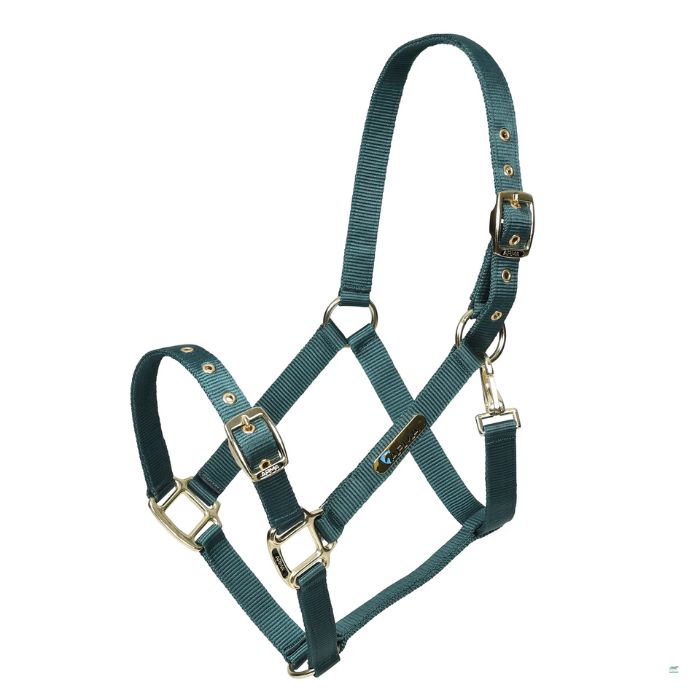
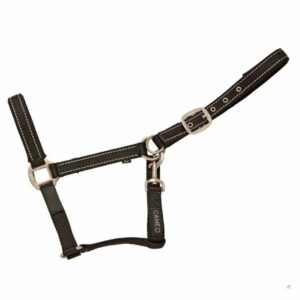
Ideal for daily use, nylon headcollars are durable, practical and available in a huge range of colours. They’re perfect for catching your horse, grooming and general yard use.
2. Padded Headcollars
3. Leather Headcollars
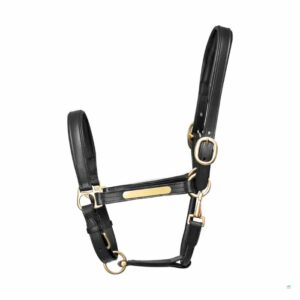
Leather headcollars are a popular choice for competitions and special occasions. They offer a smart appearance and, if looked after properly, can last for many years. They’re also a popular choice for travelling. In the event of a horse becoming caught or pulling back with significant force, the leather may be more likely to break than a strong nylon headcollar, potentially reducing the risk of more serious injury. While this isn’t guaranteed and no headcollar should be relied upon as a safety device, it’s one of the reasons many owners prefer leather headcollars when travelling. Whatever material you choose, use a correctly fitted headcollar and an appropriate quick-release tying system, following the transport vehicle and headcollar manufacturer’s instructions.
4. Field Safe Headcollars
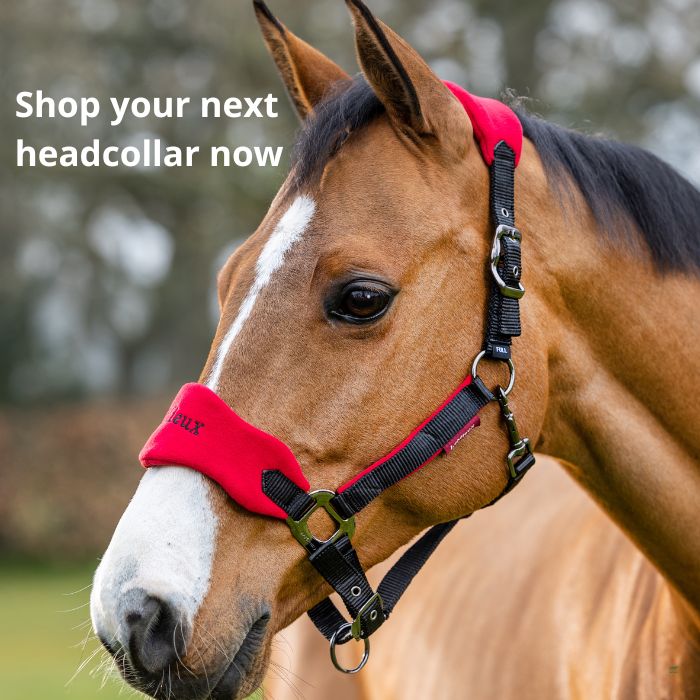
Field-safe and breakaway headcollars use release features intended to operate under pressure, but the design varies between products. Some use a replaceable strap or headpiece while others use a different release point. Follow the manufacturer’s fitting, inspection and replacement instructions and do not rely on any headcollar as a complete safety solution.
What Size Headcollar Does My Horse Need?
Most brands offer the following sizes:
- Foal
- Small Pony
- Pony
- Cob
- Full
- Extra Full
These are a useful starting point, but sizing varies between brands and horses, so don’t be surprised if your horse wears a different size depending on the manufacturer.
Foal & Foal Slip Headcollars
Foal slips are designed specifically for young foals and are usually lightweight with plenty of adjustment to accommodate rapid growth. As foals grow, they’ll often move into a standard foal headcollar before progressing to pony sizes.
Small Pony & Miniature Horse Headcollars
If you own a Shetland, miniature horse or another small breed, look for Small Pony or Miniature headcollars where available. These are designed with shorter nosebands and cheek pieces to provide a better fit for smaller heads. A standard pony headcollar may simply be too large, even when adjusted to its smallest setting.
Pony, Cob, Full & Extra Full
These are the sizes most adult horses will wear, but every horse is different. A chunky native pony may need a Cob, while a finer Thoroughbred or warmblood might fit comfortably into a Cob rather than a Full. Larger horses such as Shires, Clydesdales or substantial warmbloods may require an Extra Full.
Always use the adjustment points to achieve the best possible fit rather than relying solely on the size label. If the buckles are on the very first or last holes, it’s often a sign that trying a different size would give a better fit.
When Should You Replace a Headcollar?
Like any piece of tack, headcollars don’t last forever. It’s worth checking yours regularly for:
• Frayed webbing
• Cracked leather
• Loose stitching
• Bent or rusty buckles
• Broken clips or fittings
Replacing a worn headcollar before it fails can help avoid problems when leading or handling your horse.
Shop Horse Headcollars at RB Equestrian
Whether you’re looking for a colourful everyday headcollar, a smart leather headcollar, extra comfort with a padded design or added peace of mind from a field safe headcollar, you’ll find a wide choice at RB Equestrian.
Our team are always happy to help if you’re unsure which style or size is best for your horse.
Browse our full range of horse headcollars, including padded headcollars, leather headcollars and field safe headcollars, and don’t forget to complete your setup with a matching lead rope.
Frequently Asked Questions
A horse headcollar should fit securely without being tight. As a guide, you should be able to fit two fingers comfortably between the headcollar and your horse’s face at the noseband and headpiece.
Some owners choose to turn their horses out in a headcollar, while others prefer not to. If your horse does wear one for turnout, many people opt for a field safe headcollar.
Padded headcollars can be a great choice for horses with sensitive skin or those travelling regularly, as they provide extra comfort around the nose and poll.
Replace a headcollar if it shows signs of wear such as fraying, cracked leather, damaged stitching or worn fittings. Regular checks can help spot problems before they become a safety issue.