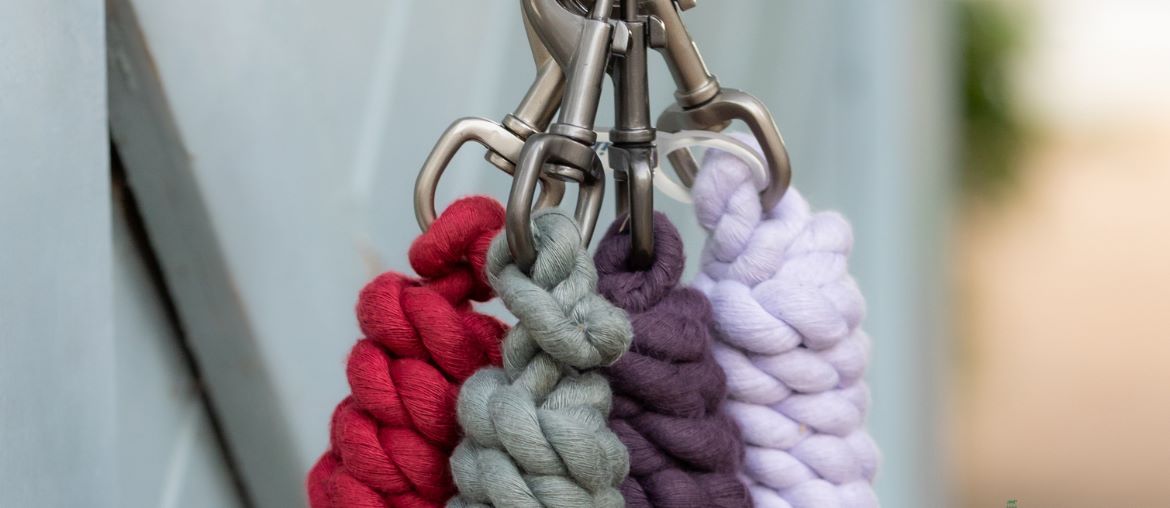
If you’ve started spending time at the yard or recently bought your first horse or pony, you’ll quickly discover that a lead rope is one of those everyday essentials you’ll use time and time again.
Whether you’re bringing your horse in from the field, leading them to the stable, tying up to groom or heading to a lesson, a lead rope is an important piece of equipment that works alongside your horse’s headcollar.
In this guide, we’ll explain what a lead rope is, why you need one and how to choose the right one for your horse.
What Is a Lead Rope?
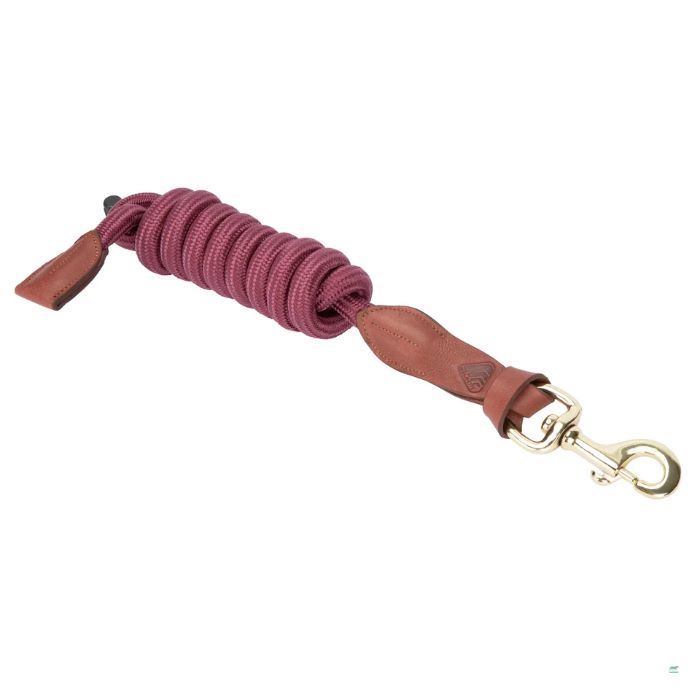
A lead rope is a length of rope with a strong clip at one end that attaches to your horse’s headcollar. It allows you to safely lead, handle and control your horse when they’re not being ridden.
Most lead ropes are around 2 metres (6-7 feet) long, giving you enough space to lead your horse comfortably while remaining close enough to stay in control.
Why Do You Need a Lead Rope?
A lead rope is one of the most frequently used pieces of horse equipment.
You’ll use it for all sorts of everyday jobs, including:
Because they’re used so often, it’s worth investing in a good quality lead rope that’s comfortable to hold and built to last.
How Does a Lead Rope Attach?
Most lead ropes use one of three types of clip:
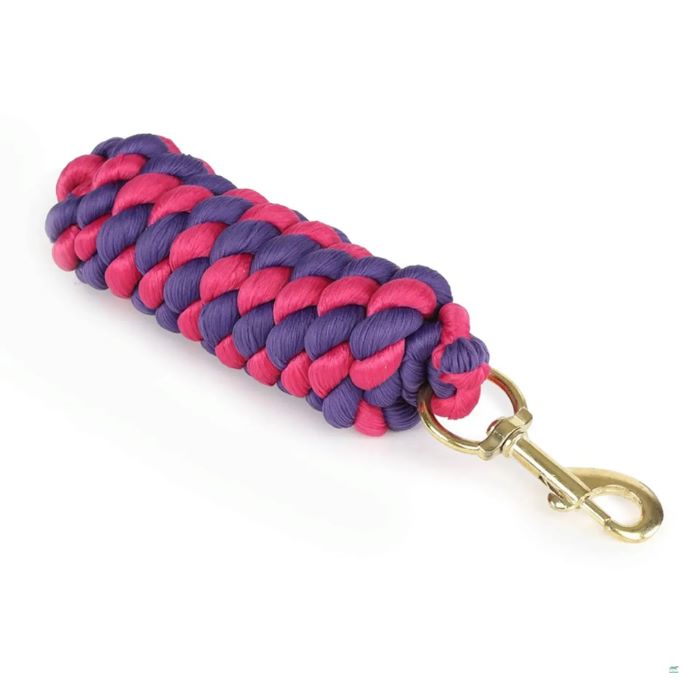
1. Trigger Clip
The most common option, a trigger clip is quick and easy to attach to your horse’s headcollar with one hand. It’s ideal for everyday use and is found on the majority of lead ropes.
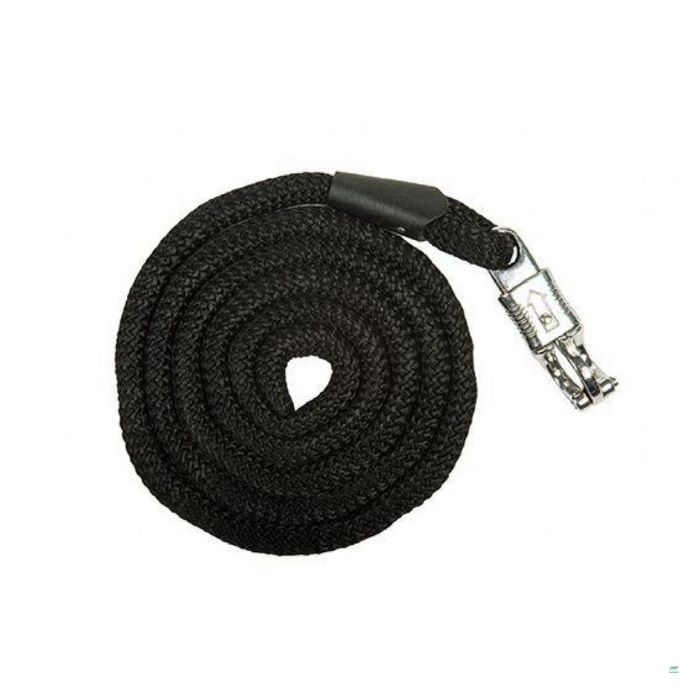
2. Panic Clip
Some lead ropes feature a panic clip, designed to be released more quickly if needed. Many owners choose these for travelling or tying up, although whichever clip you choose, it’s always important to follow safe handling practices.
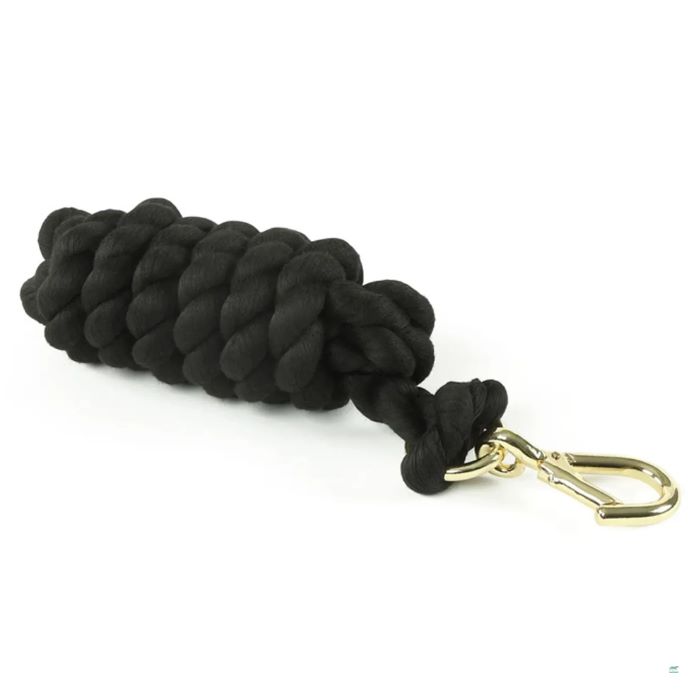
3. Walsall Clip
Still a favourite for some, this was the traditional clip used on a lead rope. They’re less common now, with many riders choosing trigger or panic clips instead.
Why Are There So Many Different Lead Ropes?
One of the first things you’ll notice is just how many colours are available!
The good news is that most lead ropes do exactly the same job. Once you’ve chosen a quality rope with a secure clip, your decision often comes down to personal preference.
Many riders enjoy matching their lead rope to their horse’s:
Brands such as LeMieux, Kentucky Horsewear and Woof Wear regularly release seasonal colours, making it easy to coordinate your horse’s look whether you’re at home or out competing.
Should You Buy a Matching Headcollar and Lead Rope?
Many headcollars are available with matching lead ropes, helping you create a coordinated look. Buying a matching set also takes the guesswork out of choosing colours and makes it easy to replace one if it becomes worn.
Of course, there’s nothing wrong with mixing colours either. Plenty of horse owners like to personalise their horse’s look with contrasting colours or bright accessories.
What Makes a Good Lead Rope?
Not all lead ropes feel the same in your hand. When choosing one, look for:
Some lead ropes are softer and more flexible, while others are thicker or slightly heavier. The best choice often comes down to what feels comfortable for you.
How Should You Look After a Lead Rope?
Lead ropes are designed to cope with everyday use, but they still benefit from a little care.
It’s a good idea to:
A quick inspection before use can help keep both you and your horse safe.
Do You Need More Than One Lead Rope?
Many horse owners have several lead ropes. Keeping a spare means you’ve always got one available if another gets muddy, misplaced or left in the horsebox.
Some people also like to have:
Considering how often they’re used, having more than one is rarely a bad idea.
Shop Lead Ropes at RB Equestrian
Whether you’re looking for a practical everyday lead rope or one that perfectly matches your horse’s favourite headcollar, you’ll find a wide range at RB Equestrian.
Choose from trusted brands, a huge selection of colours and quality lead ropes designed for everyday use around the yard, travelling and competitions.
Don’t forget to browse our matching headcollars, padded headcollars and leather headcollars to complete your setup.
Frequently Asked Questions
What is a horse lead rope used for?
A lead rope is used to safely lead and handle a horse while attached to a headcollar. It’s an essential everyday item for bringing horses in from the field, grooming, travelling and general handling.
How long should a lead rope be?
Most lead ropes are around 2 metres (6-7 feet) long, giving enough room to lead your horse comfortably while maintaining control.
Do lead ropes come with headcollars?
Some headcollars are sold as matching sets with a lead rope, while others are available separately. Buying matching items is a popular way to create a coordinated look.
How many lead ropes should I own?
Many horse owners own more than one lead rope. Having a spare is useful for travelling, competitions or simply replacing one that’s wet or muddy.