Managing your horse throughout the changing British seasons takes a little forward planning. From summer fly protection and worming schedules to winter clipping and rug care, staying organised helps keep your horse healthy, comfortable and ready to enjoy every season.
Planning ahead can also save you money. Buying essentials before you urgently need them means you’re more likely to find the products you want in stock and avoid paying for express delivery or emergency replacements.
To help you stay one step ahead, we’ve put together this month-by-month horse care calendar packed with practical seasonal reminders and useful management tips.
Winter Routine: January to March
Winter management is all about keeping your horse healthy through cold weather while preparing for the spring ahead.
January & February: Winter Essentials
Mud Fever Prevention
Check your horse’s legs every day for signs of mud fever. Dry washed legs thoroughly or allow mud to dry naturally before brushing it away. If your horse is prone to mud fever, think about prevention before problems begin. Barrier creams, antibacterial washes, mud socks and providing dry standing areas can all help.
Rug Checks
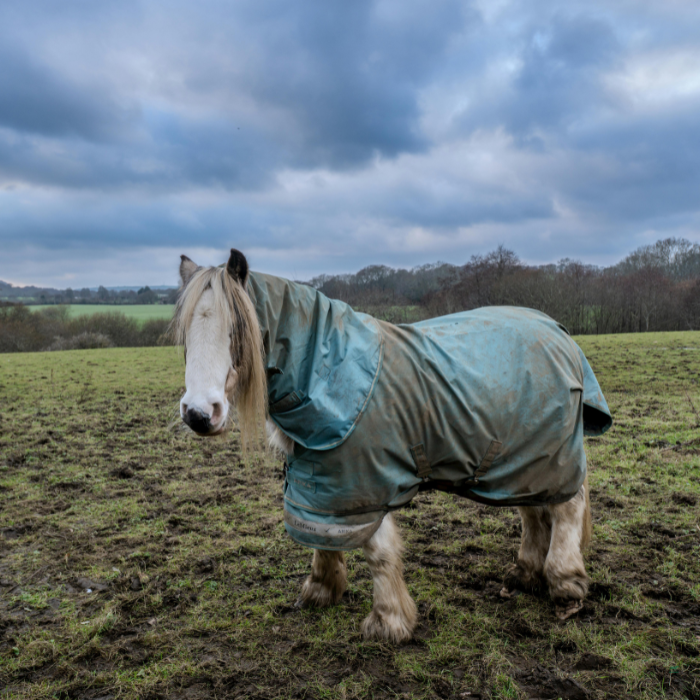
Your horse’s rugs should be taken off at least once daily (even if they go straight back on again!). This gives you a chance to check your horse over and make sure they’re still comfortable. Inspect turnout rugs regularly for leaks, tears and broken straps. Having a spare clean, dry rug available can be invaluable during prolonged wet weather.
Forage & Water
Check water troughs regularly to make sure they haven’t frozen. Horses generate body heat through digesting forage, so increasing forage during cold spells may help them stay warm.
Weight Management
Monitor your horse’s weight throughout winter. Some horses lose condition surprisingly quickly, while others can gain weight if workloads reduce. Regular weigh taping and adjusting feed early helps avoid bigger problems later.
Veterinary, Dental & Farrier Planning
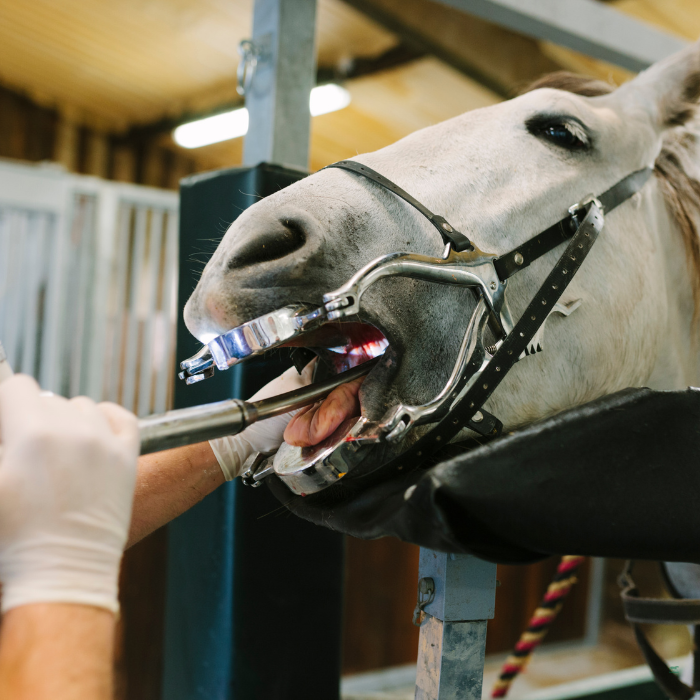
Check your horse’s passport for vaccination dates and arrange routine dental appointments before they become overdue. If possible, coordinate visits with other liveries to reduce call-out costs. Keep up with regular farrier appointments, as hooves still need consistent care throughout winter.
Encysted Redworm
Winter is the time to think about treating for encysted small redworm. Rather than treating on a fixed date, it’s best to wait until you’ve had a prolonged cold spell. As a guide, consider treatment after around five consecutive days where temperatures remain at 6°C or below. If you’re unsure whether your horse should be tested or treated, speak to us. Our AMTRA SQPs will be able to help you.
March: The Spring Transition
Spring Clean Your Yard
Take advantage of milder weather to tidy tack rooms, disinfect stables, sweep away cobwebs and prepare everything for the busier months ahead.
Worm Egg Count
Carry out your first routine worm egg count of the year before turnout patterns change. Targeted worming helps ensure treatments are only given when needed.
Review Body Condition
As grass begins to grow, assess your horse’s body condition and adjust feeding before the spring grass flush arrives. Weekly weigh taping and photographs from the same angle can help you monitor subtle changes. And don’t forget the effect this may have on saddle fit (see below).
Prepare for More Riding
As the evenings become lighter and the clocks change, many horses and ponies begin returning to more regular work. Increase workloads gradually and make sure both horse and rider are ready for a more active spring.
Refresh Your Grooming Kit
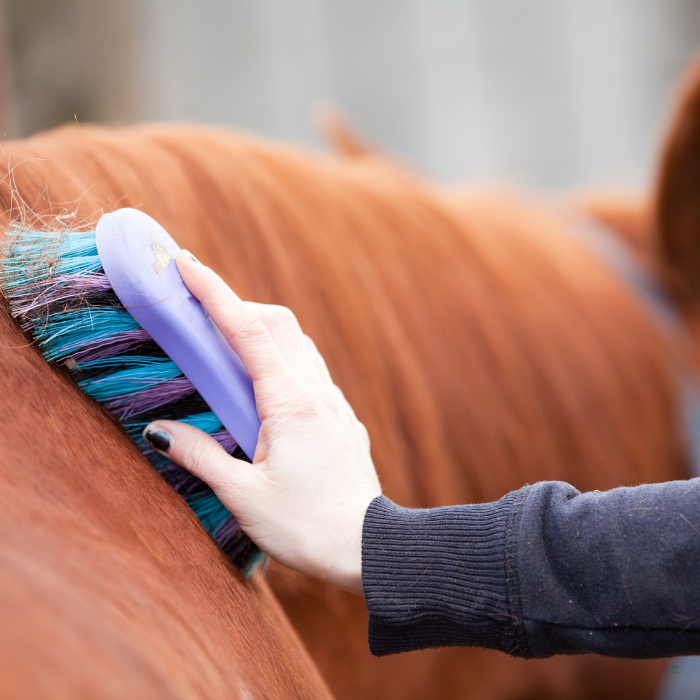
Wash brushes, disinfect combs, replace worn sponges and check your grooming bag is stocked with everything you’ll need for the months ahead.
Spring Routine: April to June
Longer days bring lush grazing, competitions and increased ridden work.
April: Turnout & Pasture Management
Introduce Grass Gradually
Spring grass is rich, so increase grazing slowly to reduce the risk of digestive upset or laminitis. Good doers may benefit from restricted turnout or grazing muzzles.
Tapeworm Testing
Spring is an ideal time to carry out a tapeworm saliva test alongside your routine worm egg count to determine whether treatment is actually required.
Saddle Fit
Arrange a professional saddle fitting before increasing ridden work. Changes in muscle, weight or topline over winter can affect saddle fit significantly.
Check Your Tack
Give all your tack a thorough inspection. Check stitching, girth straps and billets for wear, swap stirrup leathers from side to side to even out stretching and replace any worn or damaged equipment before the busy season begins.
May: Fly Season Begins
Prepare Fly Protection
Wash and inspect fly rugs from last season, repair any damage and check all straps are secure. Clean fly masks and stock up on fly repellents before flies become a real nuisance.
June: Summer Field Care
Maintain Your Paddocks
Top, harrow or weed paddocks where appropriate and remove poisonous plants such as ragwort before they spread.
Mid-Summer Worm Egg Count
Carry out another worm egg count as part of your targeted parasite control programme. The results will help determine whether treatment is needed or whether another test should be carried out in a few weeks.
Get Ahead of Sun Damage
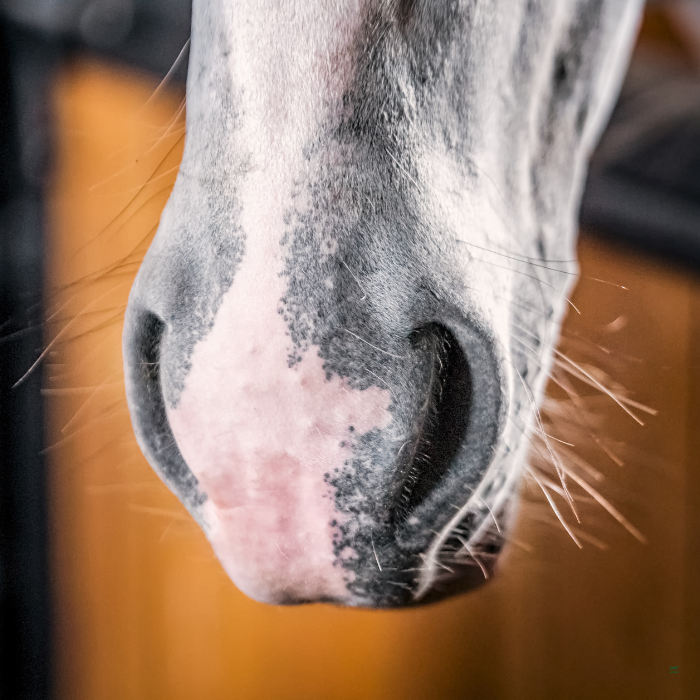
If your horse is prone to sunburn, prevention is always better than treatment. Apply a horse-specific sunscreen to pink noses and other sensitive areas before prolonged exposure to sunshine and reapply as directed.
Summer Routine: July to September
Summer means warmer weather, flies, harder ground and changing pasture conditions.
July: Managing Heat & Flies
Fly & Midge Management
Horses that are sensitive to flies or suffer from sweet itch benefit from wearing well-fitting fly rugs consistently during peak midge activity, particularly around dawn and dusk. Combine rugs with a quality fly spray and a UV-protective fly mask where appropriate.
Hydration & Cooling
Clean field troughs regularly to prevent algae build-up. Hose horses off after work during hot weather and scrape excess water away to aid cooling.
Summer Washes
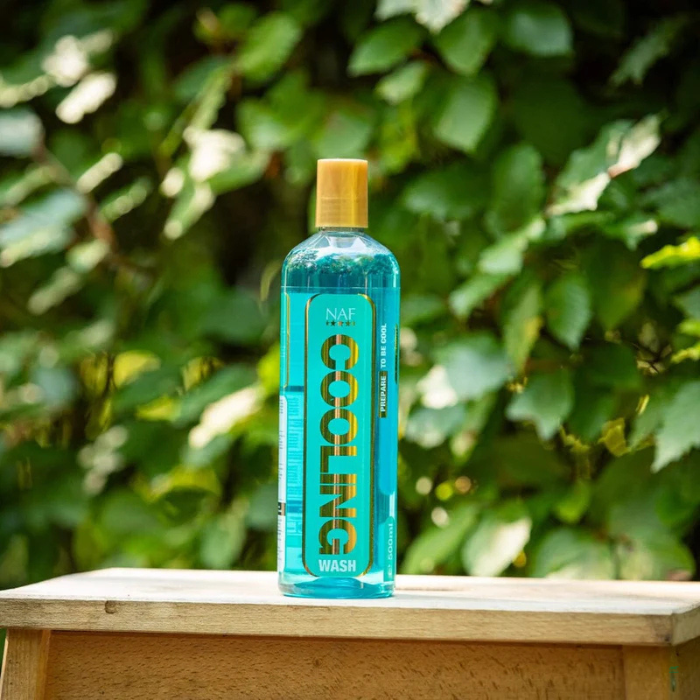
Regular bathing removes sweat, grease and dust while helping horses stay comfortable. Horse shampoos and cooling washes can also support healthy skin and coat condition throughout the summer.
Electrolytes
If your horse sweats heavily, they may benefit from electrolyte supplementation. Speak to your vet, an equine nutritionist or our knowledgeable team for advice.
August: Prepare for Autumn
Hard Ground
Keep an eye on your horse’s legs during prolonged dry spells and adjust exercise where necessary.
Winter Rug Care
Send winter turnout rugs away for washing, reproofing and repairs now so they’re ready before the weather changes.
Clipper Blades
Book your clipper blades in for sharpening before the autumn rush.
Hoof Care
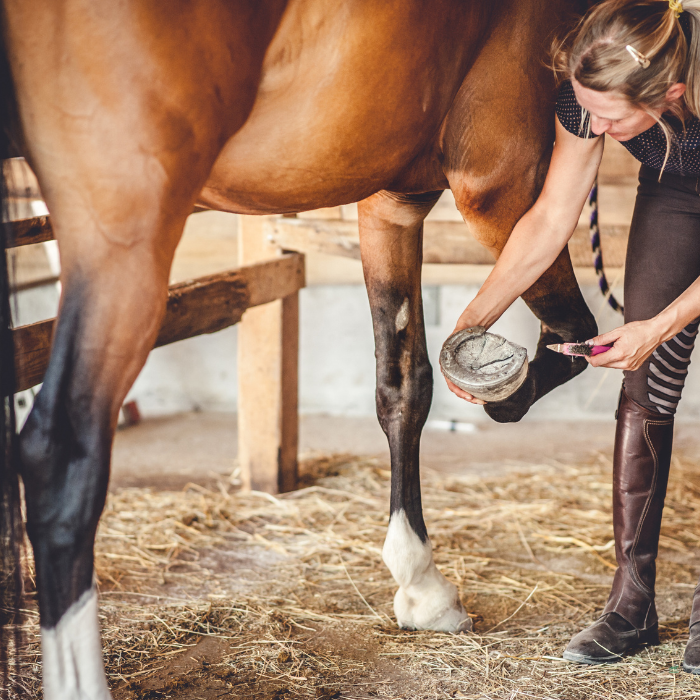
Dry ground can increase the risk of cracks. Continue regular farrier visits and discuss appropriate hoof care with your farrier if needed.
Feed Planning
As autumn approaches, review your horse’s feeding requirements before workloads and grazing begin to change. If you’re considering changing feeds or introducing supplements for winter, now is an excellent time to use one of the manufacturers’ nutritional helplines. If you’re unsure where to start, our team is always happy to help.
September: The Autumn Shift
Autumn Worm Testing
Don’t forget to include a tapeworm test alongside your autumn worm egg count. Spring and autumn are key times for tapeworm activity and testing helps ensure wormers are only used when necessary.
Watch the Autumn Grass Flush
Be aware that autumn grass can contain high sugar levels, particularly after rain following dry weather. Monitor horses prone to laminitis carefully.
Autumn & Winter Routine: October to December
As temperatures fall, attention turns back to clipping, rugs and winter management.
October: Clipping & Rugging
Clipping
Plan your first clip as winter coats develop and make sure your clippers and blades are ready before you need them.
Rugging
Introduce rugs gradually as temperatures fall and check for a comfortable fit around the shoulders to minimise rubbing.
Prepare for Mud Fever
Stock up on barrier creams, antibacterial washes, clean towels and other essentials before wet weather arrives.
November: Winter Preparation
Protect Your Fields
Where possible, rotate grazing and rest heavily poached gateways to preserve pasture through winter.
Weight Monitoring
Continue regular weigh taping and condition scoring as grass quality declines and temperatures fall.
December: Mid-Winter Care
Encourage Movement & Enrichment
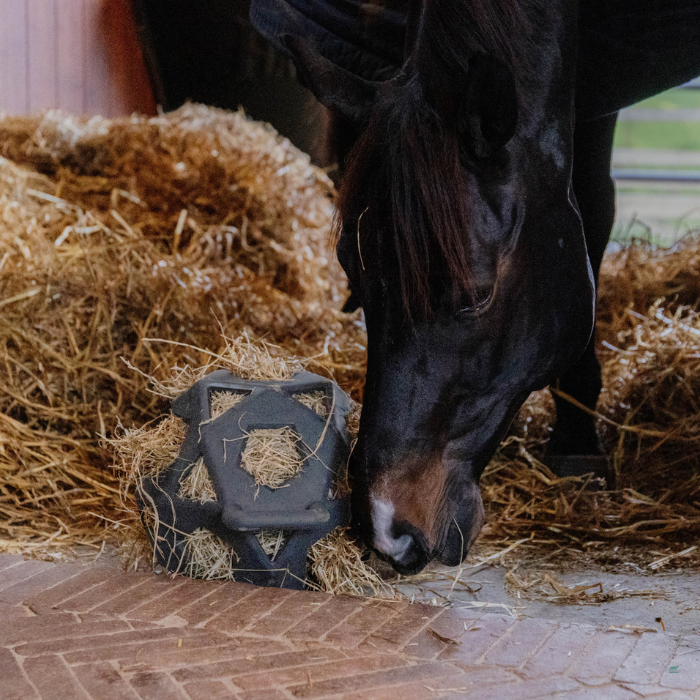
Even during cold or wet weather, try to ensure stabled horses receive regular turnout, hand walking or ridden exercise to support healthy circulation and joint mobility. If your horse is spending longer in the stable, enrichment can make a real difference. Stable toys, treat balls and other boredom breakers can help keep horses mentally stimulated.
Check Yard Equipment
Inspect water pipes, taps and troughs to ensure everything is working safely during freezing weather.
Keep Horses Drinking
Hydration is just as important during winter as it is during summer. Check water regularly, remove ice promptly and encourage horses to drink where possible.
Stay Organised All Year Round
A little planning throughout the year helps keep your horse healthy, comfortable and ready for whatever the seasons bring. Whether you’re preparing for fly season, organising worming, servicing rugs or planning winter feeding, tackling jobs month by month makes horse ownership much more manageable.
If you’d like advice on seasonal horse care, worming programmes, supplements or choosing the right products, our friendly and knowledgeable team is always happy to help. Visit us in-store, browse online or get in touch for expert advice tailored to you and your horse.